The Next Evolution of Collectible Vehicle Auctions
The category has scaled on volume. The next step is curation, verification, and real-world presence — and it is being built from Scottsdale, Arizona.
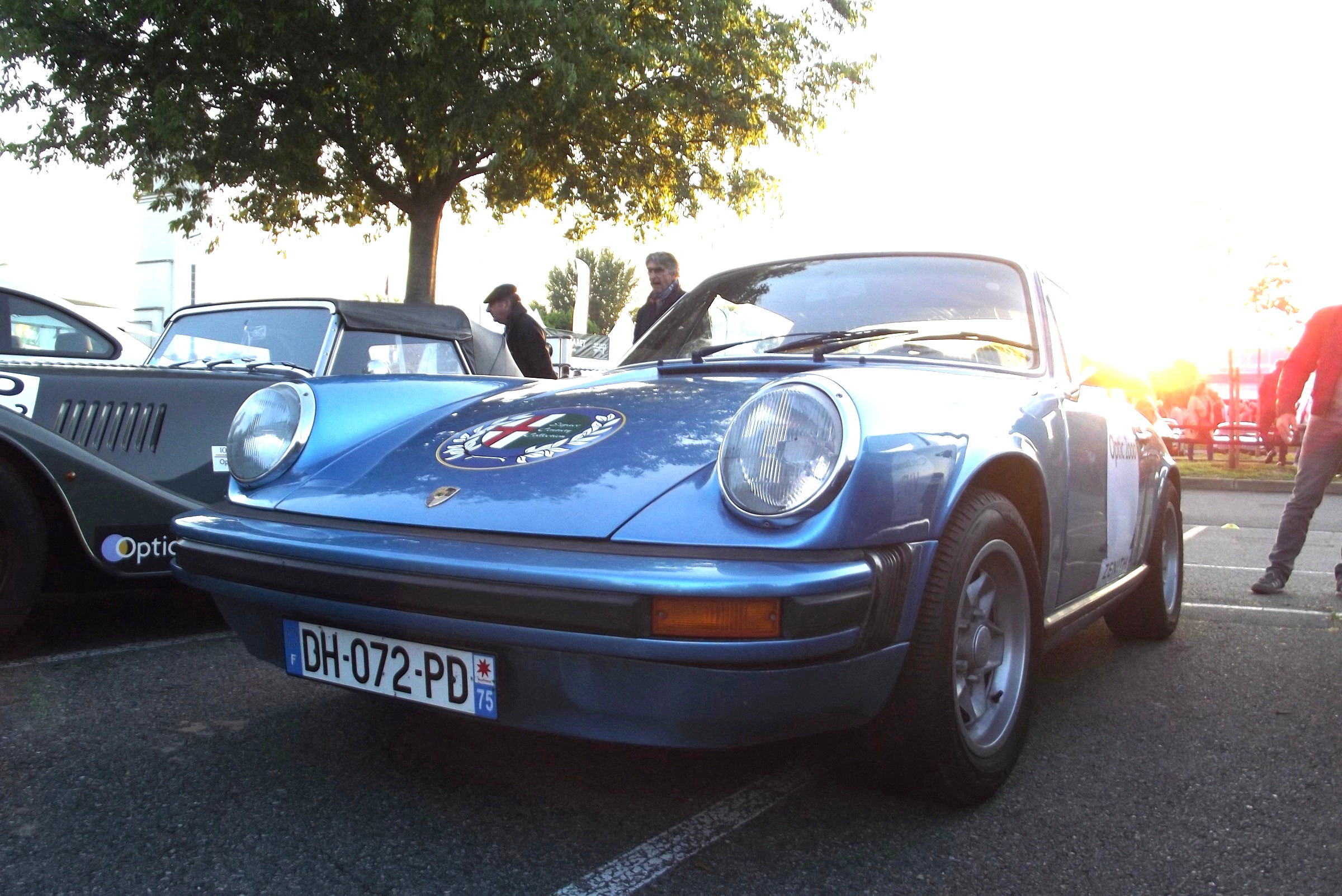
The online collectible auction category is a decade into its mass-market phase. Weekly volume is up. Hammer prices are public. Enthusiasts have never had more places to bid. The quiet problem — visible to anyone who has bought at the top of the market — is that the underlying listing standard has not kept pace with the money flowing through it.
That is the opportunity Movarna is addressing. Built from the ground up for the serious end of the market, and headquartered in Scottsdale, Arizona, Movarna is architected around three shifts the category has been slow to make: curation rather than open submission, verification rather than trust-by-disclaimer, and real-world presence rather than pure-digital distance.
Where the Current Model Strains
Open-submission platforms created the modern online auction. They also created a listing environment where the quality of the presentation is wholly dependent on the seller. That trade-off works at scale for cars under a certain threshold. It strains visibly above it. A seven-figure vehicle photographed against a garage door is not a failure of any one seller; it is a failure of the category to evolve its standards as the values it handles have climbed.
Bidder-side, the strain shows up as time cost. Serious collectors learn to read between the lines: the photos a listing didn’t include, the paragraphs a seller didn’t write, the cold-start video that wasn’t filmed. Confidence becomes a function of what the bidder can verify independently. That is not a scalable trust model, and it is not an enjoyable one.
Curation as a First Principle
Movarna is curated by design. Not every submission becomes a listing. Vehicles are accepted on fit, documented on-site at the Movarna Experience Center in Scottsdale, and produced to a single standard before going live. The effect is visible on the listing page: consistent photography, consistent condition reporting, consistent editorial. The effect is also visible behind the listing page: a pipeline that rewards quality rather than throughput.
“Curation is not a gate. It is a promise to the bidder that what arrives on the page has earned its way there.”
Verification, Not Disclaimer
Verification sits alongside curation. Movarna specialists inspect each accepted vehicle in person: chassis numbers confirmed, cold-start behavior recorded, fitment evaluated, discrepancies documented. The result is not a clean-bill guarantee — it is something more useful: an honest, consistent document the bidder can read with confidence. The underlying infrastructure supports identity-verified bidders, structured buyer premium handling, and a closing process built specifically for significant transactions.
Real-World Presence, On Purpose
The third shift is the one that has been missing from the category: a physical place. The Movarna Experience Center in Scottsdale serves as the platform’s production facility, its inspection bay, and its appointment venue for qualified buyers. It is where vehicles are inspected and where bidders who want to walk a car before bidding can do so. Online reach remains the platform’s distribution model; the Experience Center is the standard the distribution is built on.
A Category Step Forward
Movarna is not attempting to replicate what the market already has. It is proposing a different posture: fewer listings, higher preparation, a physical standard, and a team that treats six-figure transactions as the serious matters they are. The first Experience Center is in Scottsdale — the starting market, and the proof-of-model for a platform designed to move into additional collector markets over time.
Movarna is in a deliberate pre-launch phase. More information is available at movarna.com.